
Integrated and Coordinated Transport Operations
In global energy trade, logistics define efficiency, safety, and reliability. The journey of every cargo—from refinery to destination port—depends on precise coordination between terminals, vessels, customs authorities, and inspection teams. Each link in this chain contributes to a smooth, verifiable, and compliant flow of goods across borders.
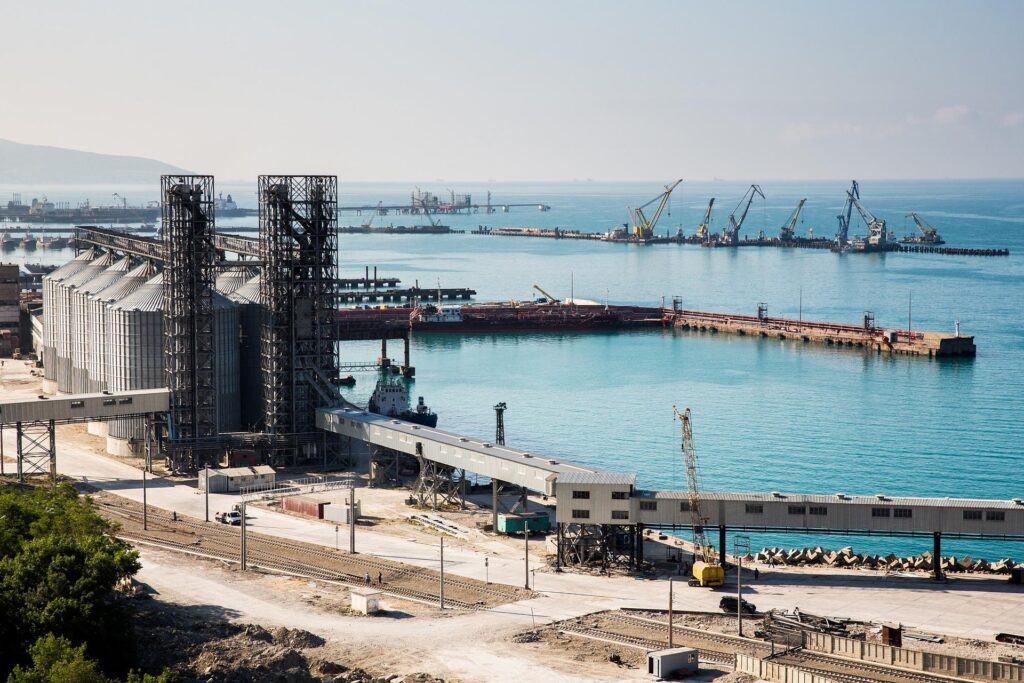
Effective logistics planning requires not only technical expertise but also real-time communication and procedural discipline. Every operation, from chartering to discharge, follows international maritime and transport conventions. Cargo documentation—charter parties, manifests, and bills of lading—is reviewed for accuracy and compliance, ensuring traceable and secure delivery.
Behind every shipment stands a team of logistics experts, surveyors, and coordinators. They manage routes, schedules, and port interactions while ensuring that storage conditions and quality controls are continuously monitored. Coordination extends to financial, insurance, and inspection agencies, synchronizing the physical, legal, and financial dimensions of trade.
Modern logistics integrate digital tracking, risk forecasting, and data analytics to improve predictability and performance. Using these tools, operators can anticipate port congestion, weather disruptions, or geopolitical risks—allowing informed decisions that reduce cost and downtime.
Understanding logistics in the energy and commodities industry is not only about moving goods; it is about ensuring every step meets international expectations for quality, timing, and compliance. With precise planning, continuous monitoring, and global partnerships, every shipment becomes a coordinated effort between expertise and execution.
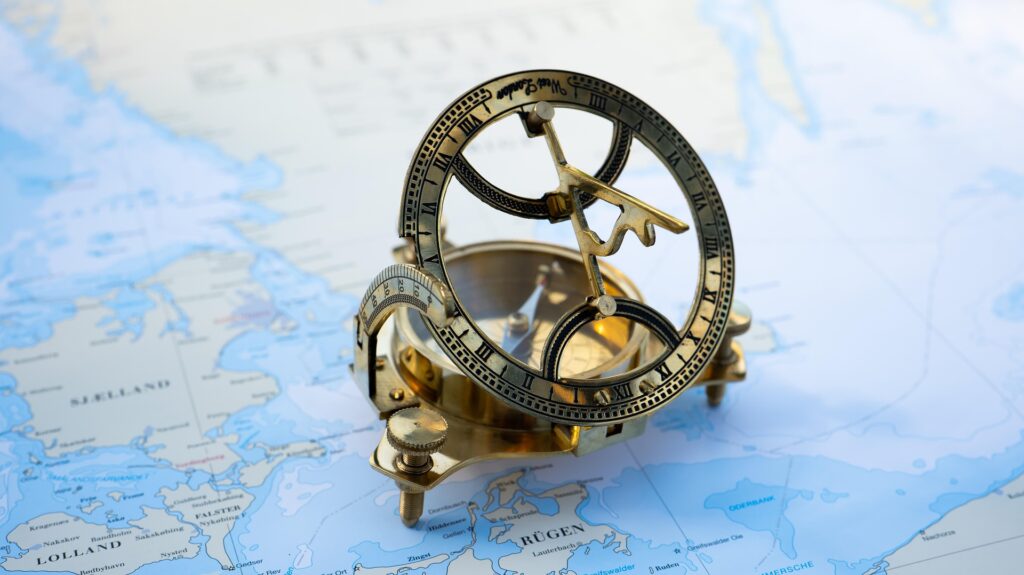
Modern logistics in the energy and commodities sector is an intricate network of systems, regulations, and human expertise working in unison. From the moment a shipment is contracted to its final discharge, dozens of coordinated actions must align—each verified, recorded, and performed to international standards. This includes route optimization, cargo scheduling, storage allocation, customs documentation, and inspection coordination.
The complexity of maritime logistics requires constant communication among vessel operators, chartering managers, terminal authorities, and classification societies. Each entity plays a specific role in maintaining the safety and integrity of cargo. The accuracy of documentation such as bills of lading, quality certificates, and port clearance documents determines whether a shipment proceeds smoothly or faces costly delays. Every stage must comply with the applicable maritime laws, environmental conventions, and local port regulations.
Energy logistics is particularly sensitive due to the nature of the products involved. Crude oil, refined fuels, and petrochemicals demand precise handling conditions, including temperature control, contamination prevention, and continuous monitoring during transfer operations. The planning extends beyond physical movement; it incorporates risk forecasting, insurance validation, and timing optimization based on vessel availability and freight rates.
Our organization’s logistics division operates as a bridge between technical execution and commercial strategy. The team includes professionals with maritime, engineering, and supply chain backgrounds who work alongside chartering firms, surveyors, and storage operators to ensure reliable outcomes. Each movement is planned with full compliance to international maritime codes and trade procedures, including those set forth by the International Maritime Organization (IMO) and ICC frameworks.
Through years of collaboration with global shipping networks and port authorities, operational practices have been refined to anticipate challenges and minimize exposure to risk. This approach allows for seamless handling of spot cargoes, term contracts, and multi-destination deliveries. Whether organizing a single voyage or managing ongoing trade flows, operations are designed to maintain transparency, efficiency, and alignment with client timelines.
In today’s environment, the value of logistics lies not only in moving goods efficiently but also in providing visibility and predictability throughout the supply chain. Our systems integrate vessel tracking, documentation updates, and real-time reporting, enabling clients to make informed decisions based on accurate data. Coordination with financial and inspection departments ensures that every shipment’s physical, financial, and legal components advance in unison.
Our part in this process is defined by precision and responsibility. Acting as facilitators rather than intermediaries, we ensure that every participant in the chain—from the charterer to the receiver—has the information, documentation, and support necessary for a secure and compliant transaction. This disciplined and methodical structure allows trade to progress without interruption, even across complex international environments.